

First published 21 June 2015. Fully re-reported, fact-checked and expanded — last updated 1 August 2026. All product links and images verified on that date.
Some gentlemen take pride in an expensive, luxury watch, and others could never compromise on footwear. However, one luxury essential has been used for decades as a tool of style, a symbol of sophistication, and clout — the luxury blazer.
It isn’t a secret that blazer jackets have been an irreplaceable staple in menswear. Exactly how these stellar jackets are revamping wardrobes, and making guys more dapper, more elegant and presentable, is all within the fitting. Truthfully, no other clothing item can boast the precision and uniformity that is designed into a well tailored sports coat.
Whether you are in it for the casual, easy going look or the professional, business equipped one, one thing is for sure: your other clothing and accessories all fall behind on the priority list, with the blazer most importantly setting the tone for your overall look.
For starters, dressing to impress and socializing on a scale that can really improve your professional lifestyle quality begins with presentation. Luxury blazers are one of the few items guaranteed to make you fashion forward, giving you the highly sought after look needed to stand out in even the most competitive crowds.
Here are key ways that the savvy man is sporting luxury blazers, keeping him in charge, in style, and absolutely trendy.
What’s in this guide
- 1. Why the blazer sets the tone
- 2. Luxury blazers with the right footwear
- 3. Accessorize, accessorize, accessorize
- 4. A resounding yes! Belt style and quality is important
- 5. Fit comes before everything else
- 6. Building a blazer wardrobe in order
- 7. The whole outfit across dress codes
- 8. Care and storage
1. Why the blazer sets the tone
Everything else in an outfit is read relative to the jacket. Shoes that would look correct with a navy worsted look wrong with velvet; a belt that disappears under a patterned blazer becomes the focal point under a plain one. That is the practical meaning of the blazer setting the tone, and it is why this guide works outwards from the jacket rather than inwards.


Chart 1 — What each jacket type asks of the rest of the outfit
| Blazer | Shoes | Belt | Watch | Everything else |
|---|---|---|---|---|
| Navy or charcoal worsted | Black or dark brown oxfords | Matching leather, 3–3.5 cm | Anything | Free rein — the jacket is neutral |
| Velvet | Black loafers or patent | Thin black, or none with a tux cut | Slim dress watch | Plain shirt, no pattern |
| Patterned or floral | Solid leather, no brogueing | Plain, matching shoes | Minimal | Everything plain, no exceptions |
| Textured tweed or flannel | Suede or grained leather | Textured or suede belt | Leather strap | Knitwear works; silk does not |
| Linen | Loafers, espadrilles | Woven or fabric belt | Casual | Accept the creasing |
On how the jacket itself is built — full canvas, half canvas or fused, and why the difference matters over a decade — see our construction breakdown. This guide is about what you wear with it.
2. Luxury blazers with the right footwear
Footwear is the first thing that either confirms or contradicts the jacket, and it is where most outfits go wrong. The rule is formality matching: the shoe should sit at the same level as the jacket, or one step below it, never above.
Chart 2 — Shoe formality ladder
| Shoe | Formality | Works with | Never with |
|---|---|---|---|
| Patent or plain oxford | Highest | Velvet, dinner jackets, dark worsted | Linen, tweed |
| Cap toe oxford | High | Navy, charcoal, business blazers | Shorts |
| Monk strap | High to medium | Navy, grey, patterned | Black tie |
| Loafer | Medium | Almost everything, including velvet | Traditional business formal |
| Chelsea boot | Medium | Tweed, flannel, dark denim pairings | Summer linen |
| Clean leather sneaker | Low | Unstructured linen or cotton blazers | Anything with a tie |
Colour rule: black shoes with black, charcoal or navy. Dark brown with navy, grey and earth tones. Never brown shoes with a black jacket in a formal setting — that one has no exceptions worth defending.
3. Accessorize, accessorize, accessorize
Accessories are where a good jacket becomes a considered outfit, and also where it most easily tips into costume. The working principle is subtraction: put on everything you are considering, then remove one item before you leave.
The watch should match the formality of the shoes more than the jacket. A slim dress watch on leather under velvet; a steel sports watch is fine under linen and wrong under a dinner jacket.
The pocket square should relate to the shirt or tie without matching either exactly. White linen works with everything and is the only one that never fails.
Bracelets and rings are the easiest place to overdo it. One visible piece is confident; three is an outfit wearing you. Our silver bracelet guide covers weight and proportion in detail.
The bag is an accessory too, and a large one. A structured briefcase reinforces a formal jacket; a soft messenger softens it. See our briefcase guide for how to choose between them.
The single rule underneath all of it: one statement piece per outfit. If the blazer is patterned, the blazer is the statement, and everything else recedes.
4. A resounding yes! Belt style and quality is important
The belt is the least considered item on this list and one of the most visible, since it sits at the exact centre of the body where a jacket opens.
Chart 3 — Belt reference
| Element | Formal | Smart casual |
|---|---|---|
| Width | 3–3.5 cm | 3.5–4 cm |
| Buckle | Slim, polished, minimal | Wider, brushed or matte |
| Leather | Full-grain, smooth, high polish | Grained, suede or woven |
| Colour | Matched to shoes | One shade apart is fine |
| Sizing | Tail should reach the first belt loop | Same |
Quality shows in two places. A full-grain belt creases along its length and softens; a bonded or split-leather one cracks across the fold and eventually splits at the buckle holes. And the tail length matters more than people expect — a belt cut too long leaves a flap hanging that undoes the line of an otherwise sharp jacket.
5. Fit comes before everything else
Every rule in this guide assumes the jacket fits. A perfectly accessorised blazer that sits wrong on the shoulders looks worse than a plain one that fits, because the accessories draw attention to the problem rather than away from it.
The shoulder seam should land on the outer edge of your shoulder bone. If it overhangs, the jacket will collapse into a soft crease every time you move your arm; if it cuts inside, the sleeve head will pull. This is the one measurement a tailor cannot meaningfully change, so it decides whether a jacket is yours before anything else does.
A flat hand should slide comfortably under the buttoned front without strain. Roughly half an inch of shirt cuff should show below the sleeve, which is what makes a jacket look tailored rather than borrowed. The hem should cover your seat, and on a blazer worn open the front should hang straight rather than flaring.
Sleeve length, waist suppression and jacket length are all straightforward alterations, and chest can move by about an inch either way. Budget for tailoring when you buy. A mid-priced jacket properly altered will always beat an expensive one straight off the rack, and the difference is visible from across a room.
6. Building a blazer wardrobe in order
Three to five well-chosen jackets cover most lifestyles, but the order you buy them in matters as much as the number.
First, navy. It works with grey, charcoal, stone, white and denim, it reads correctly at every level from business formal down to smart casual, and it is the only jacket that never looks like a deliberate choice. If you own one blazer it should be this one, and it is the one worth spending most on since you will wear it most.
Second, charcoal or mid grey. This covers everything navy does in settings where navy has already been seen, and it pairs with a wider range of trouser colours than most men expect.
Third, a jacket with personality. Patterned, textured or coloured — this is where a wardrobe stops being functional and starts being yours. It will be worn a tenth as often as the navy, which is precisely why it can afford to be memorable.
Fourth, velvet, if your calendar justifies it. Velvet is an evening cloth and it does not pretend otherwise. If you attend two or three evening events a year it earns its place; if you attend none, the money is better spent improving the navy.
7. The whole outfit across dress codes
| Dress code | Blazer | Shoes | Belt | Accessories |
|---|---|---|---|---|
| Black tie | Dinner jacket only | Patent oxfords | None — cummerbund instead | Dress watch, white square |
| Business formal | Navy or charcoal worsted | Black cap toe oxfords | Black, matched | Minimal; one watch |
| Business casual | Navy, grey, subtle pattern | Loafers or monk straps | Brown or black, matched | Watch, optional square |
| Cocktail / evening | Velvet, or patterned | Black loafers | Thin black | One statement piece maximum |
| Smart casual | Unstructured linen or cotton | Loafers, Chelsea boots, clean sneakers | Woven or suede | Relaxed; bracelet fine |
| Resort | Linen, patterned | Loafers, espadrilles | Fabric or none | Sunglasses count as one |
PILAEO’s blazers were featured in the British GQ Fashion Collection, November 2018, and the house has specialised in distinctive luxury blazers since 2014.
8. Care and storage
| Frequency | Action | Notes |
|---|---|---|
| After each wear | Broad wooden hanger; brush with a soft clothes brush | Wire hangers collapse the shoulder permanently |
| After each wear | Rest 24 hours before wearing again | Lets the cloth recover its shape |
| As needed | Steam rather than press | A hot iron flattens texture, especially on velvet |
| Velvet specifically | Hang, never fold; brush with the pile | Crushed pile does not fully recover |
| Once a season at most | Dry clean, and only if needed | Solvent is hard on fused construction and colour |
| Storage | Breathable cotton garment bag, cedar nearby | Never plastic |
On cloth quality, The Woolmark Company sets the fibre benchmarks the trade works to, and OEKO-TEX STANDARD 100 certifies that a textile has been tested for harmful substances. Neither is a style judgement, but both tell you something real about what you are putting on.
The blazer’s own history runs deeper than the trend cycle: the Victoria & Albert Museum holds major collections of European tailoring, and the Museum at FIT documents how the jacket moved from uniform to wardrobe staple.

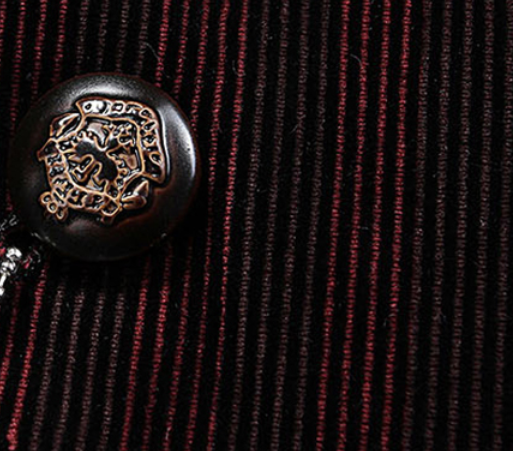
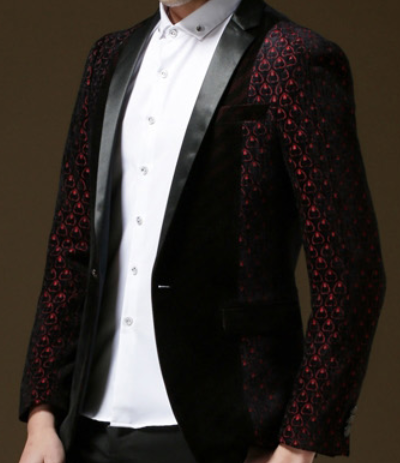


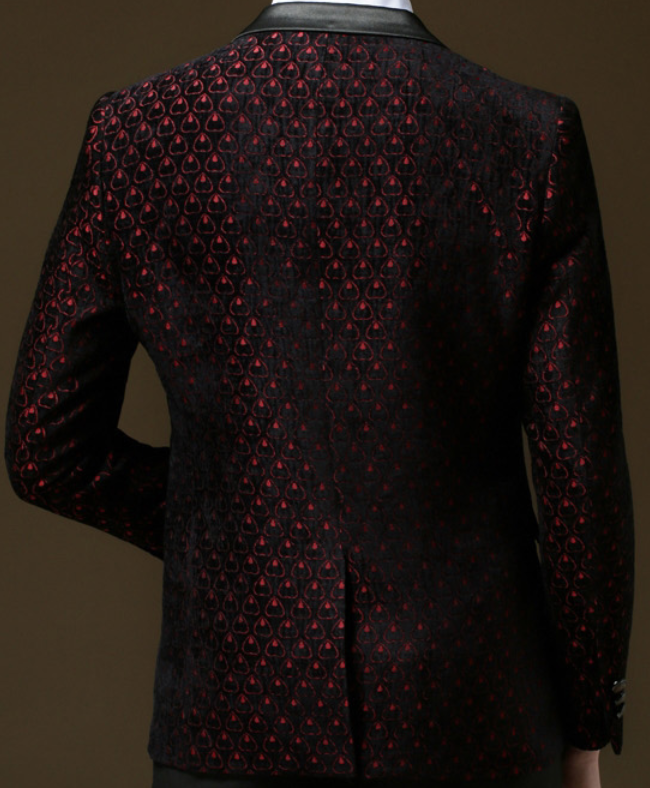
Luxury Burgundy Black Velvet Heart Sleeves Blazer at PILAEO
Looking to dress the part? You can browse our luxury blazers at PILAEO.
Read more: Missoni History Revisited
Read more: The Most Versatile Sport Coat Color
Read more: How to Wear Luxury Blazers
Related: How To Wear Floral Shorts – The #1 Guide
Related: Luxury 101: The Crocodile Briefcase Trend For Men
5 reasons savvy gentlemen invest in luxury blazers
- Cost per wear beats fast fashionA $1,200 luxury blazer worn 80 times over a decade costs $15 per wear. A $200 fast fashion blazer worn 20 times before it disintegrates costs $10 — but you replace it five times.
- Craftsmanship outlasts seasonsFull canvas construction, hand-sewn buttonholes, and pattern-matched seams ensure a luxury blazer maintains shape and finish for years rather than months.
- Versatility across contexts and decadesA well-chosen luxury blazer works for business meetings, dinner events, weddings, and creative occasions — and looks current ten years from now, not dated.
- Personal brand signaling at workIn professional settings where everyone wears similar clothing, a distinctive luxury blazer becomes recognizable shorthand for taste and intentionality.
- Resale value protects the investmentQuality luxury blazers from recognized houses retain meaningful resale value on secondary markets, unlike fast fashion which becomes zero-value within seasons.
Frequently asked questions
Are luxury blazers really worth the investment?
For anyone who wears blazers regularly (10+ times per year), yes. The cost-per-wear math, the longer useful life, the consistent visual quality, and the personal brand impact justify the premium over fast fashion alternatives.
How long should a luxury blazer last?
Properly maintained, 10-15 years of regular wear. Some heirloom-quality blazers from master tailoring houses last 20+ years and look better with age as the fabric softens and develops character.
What separates luxury from regular blazers?
Full canvas construction (not fused), hand-finished details, premium fabric weight and weave, pattern matching at seams, working buttonholes on the sleeves, and quality interior linings. Each detail compounds the difference.
How many luxury blazers does a savvy gentleman need?
Three to five well-chosen pieces cover most lifestyles: navy for versatility, charcoal or grey for business, a patterned or color blazer for personality, and optionally a velvet for evening events.
Where can I buy luxury blazers worth the investment?
PILAEO has specialized in distinctive luxury blazers since 2014, featured in British GQ Fashion Collection November 2018. Browse the curated collection at pilaeo.com.
Which shoes go with which blazer?
Match formality, or come one step below the jacket, never above it. Patent and plain oxfords belong with velvet and dark worsted. Cap toe oxfords suit navy and charcoal business jackets. Monk straps and loafers cover the widest middle ground and work with almost everything including velvet. Chelsea boots suit tweed and flannel. Clean leather sneakers work only with unstructured linen or cotton blazers, and never with a tie.
Should my belt match my shoes?
In formal settings, yes, and the leather finish should match too, not just the colour. In smart casual, one shade apart is fine and often looks more considered than an exact match. Formal belts run 3 to 3.5 cm wide with a slim polished buckle; casual belts run 3.5 to 4 cm and can be grained, suede or woven. The tail should reach the first belt loop, since a belt cut too long leaves a flap that undoes the line of the jacket.
How many accessories should I wear with a blazer?
One statement piece per outfit, and when in doubt subtract. Put on everything you are considering, then remove one item before you leave. A watch should match the formality of the shoes more than the jacket. A white linen pocket square works with everything. One visible bracelet or ring reads as confident; three reads as an outfit wearing you. If the blazer itself is patterned, the blazer is the statement and everything else recedes.
How should a blazer fit in the shoulders?
The shoulder seam should land on the outer edge of your shoulder bone. If it overhangs, the jacket collapses into a soft crease whenever you move your arm; if it cuts inside, the sleeve head pulls. This is the one measurement a tailor cannot meaningfully change, so it decides whether a jacket is yours before anything else does. A flat hand should slide comfortably under the buttoned front, and about half an inch of shirt cuff should show below the sleeve.
What can a tailor alter on a blazer?
Sleeve length, waist suppression and jacket length are all straightforward, and the chest can move by roughly an inch either way. Shoulders effectively cannot be altered. Budget for tailoring at the point of purchase, because a mid-priced jacket properly altered will always beat an expensive one straight off the rack, and the difference is visible from across a room.
How do I care for a velvet blazer?
Hang it, never fold it, and brush with the pile rather than against it, because crushed velvet pile does not fully recover. Steam rather than press, since a hot iron flattens the texture permanently. Rest the jacket 24 hours between wears on a broad wooden hanger, never wire. Dry clean at most once a season, as solvent is hard on both fused construction and colour, and store in a breathable cotton garment bag with cedar nearby rather than plastic.
